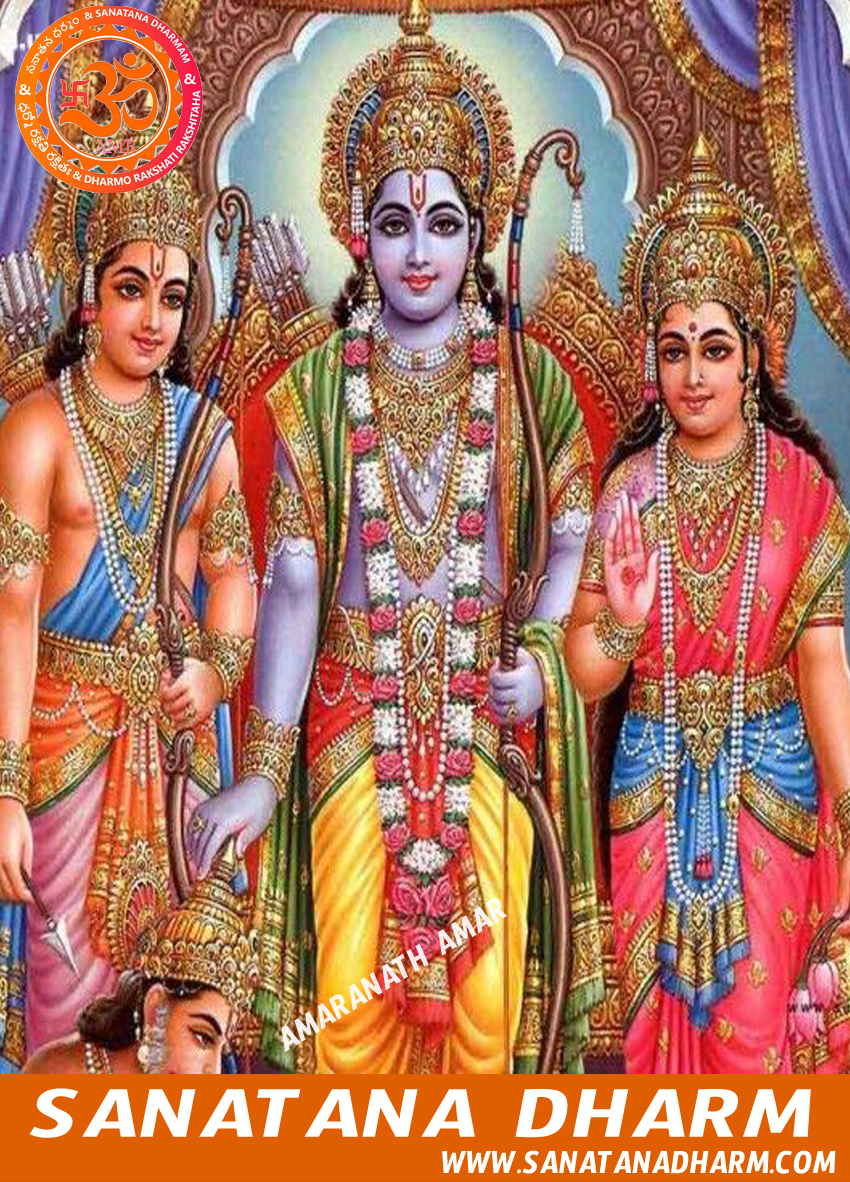
Thereafter, Kausalya afflicted with grief of her son and seeing the king lying down depressed with sorrow, spoke to the monarch as follows:
तब रानी कौशल्या ने अपने पुत्र के शोक में डूबे हुए राजा दशरथ को शय्या पर लेटा हुआ देखा। उन्होंने दुखी होकर राजा से कहा।
Ayodhya Kanda – Sarga 43 · v2
राघवो नर शार्दूल विषम् उप्त्वा द्विजिह्ववत् |
विचरिष्यति कैकेयी निर्मुक्ता इव हि पन्नगी || २-४३-२
"Having planted her poison on Rama the tiger among men, indeed Kaikeyi of crooked ways will surely wander about freely like a female serpent that has cast off its slough"
यह श्लोक कहता है कि कैकेयी के द्वारा छोड़े जाने पर, राम सर्प की तरह विषैले होकर विचरण करेंगे। जैसे द्विजिह्व (दो जीभ वाला) सर्प विष उगलता है, वैसे ही राम भी कैकेयी के द्वारा छोड़े जाने पर विषैले हो जाएंगे।
"Having fulfilled her desire of expelling Rama to the forest, Kaikeyi the charming woman will frighten by clamping down upon me, like a dangerous serpent in the house."
वनवास के लिए राम को भेजने के बाद, वह स्त्री, जिसने अपनी इच्छा पूरी कर ली है और जो शांत है, घर में दुष्ट सर्प की तरह मुझे फिर से भयभीत करेगी।
"Even giving my son to her as a slave would have been better. By that Rama would have at least stayed in the house by doing the work entrusted by her and roaming about in the city, asking alms.
यहाँ संस्कृत श्लोक का सरल हिंदी अनुवाद दिया गया है: तब श्री राम उस नगर में घूमते हुए भिक्षा माँगकर घरों में निवास करते थे। वे अपने पुत्र को भी दास के रूप में देने को तैयार थे।
"Having willfully thrown Rama out of his position, Kaikeyi has acted in the same way as one who tends the sacred fire throws a part of the sacrifice to ogres on a new or full moon."
कैकेयी द्वारा राम को उनके स्थान से हटाए जाने पर, जैसे पर्व के दिन अग्नि में आहुति दी जाती है, वैसे ही राक्षसों का भाग (यानी, उनका अवसर) आ गया।
Together with his wife, accompanied by Lakshmana and walking like king of elephants having a bow in hand, the mighty armed hero surely will have entered the forest "
यह श्लोक कहता है कि हाथियों के राजा के समान चाल वाला, महान भुजाओं वाला, धनुष धारण करने वाला वीर, लक्ष्मण के साथ वन में प्रवेश करता है।
Ayodhya Kanda – Sarga 43 · v7
वने तु अदृष्ट दुह्खानाम् कैकेय्या अनुमते त्वया |
त्यक्तानाम् वन वासाय का न्व् अवस्था भविष्यति || २-४३-७
" In the forest, what fate will befall them who had never seen such a suffering before and who have been sent by you to a forest life as per the wishes of Kaikeyi?"
वन में, जहाँ कैकेयी की आज्ञा से तुम्हें छोड़ दिया गया है, उन लोगों की क्या अवस्था होगी जिन्होंने कभी दुख नहीं देखा?
Ayodhya Kanda – Sarga 43 · v8
ते रत्न हीनाः तरुणाः फल काले विवासिताः |
कथम् वत्स्यन्ति कृपणाः फल मूलैः कृत अशनाः || २-४३-८
"Devoid of riches, those youthful beings, in exile at the age when they should be enjoying diversions of every kind, how are they to live in misery, having only roots and fruits for their nourishment?"
वे रत्नहीन, फल के समय निर्वासित युवक, फल और मूल खाकर कैसे जीवित रहेंगे? वे बेचारे कैसे रहेंगे?
"When that auspicious hour will come to me that will bring an end to my sorrows and I shall see Rama with his wife and brother returning here?"
यह वह समय आ गया है जब मेरा दुख समाप्त हो, और मैं अपने भाई और उसकी पत्नी के साथ श्री राम के दर्शन कर सकूँ।
"When will Ayodhya regain her pristine glory, with people thrilling with rapture and be adorned with rows of towering banners the moment it hears of the two heroic princes (Rama and Lakshmana) being present ? "
यह सुनकर दोनों वीर योद्धा सोचने लगे कि अयोध्या कब लौटेगी, जहाँ यशस्वी और प्रसन्न लोग झंडे और मालाओं से सजी अयोध्या का स्वागत करेंगे।
"When will the city rejoice like an ocean swelling jubilantly on a full moon night to perceive the two princes who are tigers among men come back from the forest? "
जब ये नर व्याघ्र वन से लौटेंगे, तब यह नगरी आनंदित होकर समुद्र की तरह पर्व के दिन प्रसन्न होगी।
"When will the mighty armed hero (Rama) enter the city of Ayodhya placing Sita in his front in the chariot as a bull would follow a cow?"
जब वीर महाबाहु सीता को वृषभ द्वारा गाय की वधू के समान रथ पर बिठाकर, अयोध्यापुरी में प्रवेश करेंगे।
Ayodhya Kanda – Sarga 43 · v13
कदा प्राणि सहस्राणि राज मार्गे मम आत्मजौ |
लाजैः अवकरिष्यन्ति प्रविशन्ताव् अरिम् दमौ || २-४३-१३
"When will thousands of men shower the parched grains of paddy on the royal highway over my two sons (Rama and Lakshmana) the subduer of their enemies, entering the city?"
जब मेरे दोनों पुत्र, जो शत्रुओं का दमन करने वाले हैं, राजपथ पर प्रवेश करेंगे, तब हजारों प्राणी उन पर खीलें बरसाएंगे।
"When shall I see the two princes adorned with splendid ear-rings and armed with excellent bows and swords, entering Ayodhya like a pair of mountains crowned with peaks?"
अयोध्या में प्रवेश करते समय, मैं कब उन सुंदर कुण्डों को देखूंगा, जो ऊँचे हथियारों और तलवारों से सुसज्जित पर्वतों की तरह हैं?
Ayodhya Kanda – Sarga 43 · v15
कदा सुमनसः कन्या द्विजातीनाम् फलानि च |
प्रदिशन्त्यः पुरीम् हृष्टाः करिष्यन्ति प्रदक्षिणम् || २-४३-१५
"When will those two princes with Sita merrily go round the city clockwise, giving away flowers and fruits to virgins and brahmanas?"
जब सुंदर कन्याएँ द्विजातियों को फल देंगी, तब वे प्रसन्न होकर नगर की परिक्रमा करेंगी।
"When will the pious Rama, grown ripe in intellect and shining like a god in point of age ,return to me, cherishing the world like the proportious and timely rain?"
यह श्लोक कहता है कि बुद्धि और आयु से परिपक्व, धर्म को जानने वाले, तीन वर्ष के मेरे प्रिय पुत्र कब मुझे मिलने आएंगे।
"Undoubtedly in some past life, through mean-mindedness, Oh, valiant king, I believe that the teats of cows were cut off by me while their calves were longing to suck them."
निश्चित रूप से, मैं आपकी सहायता कर सकता हूँ। **सरल हिंदी अनुवाद:** मुझे निश्चय ही ऐसा लगता है कि पहले किसी वीर ने, अपनी कंजूसी के कारण, कामदेव के बाणों से पीड़ित होने पर, अपनी संतानों के लिए अपने स्तनों को दूध पिलाना बंद कर दिया था।
"Oh, tiger among heroes! Fond of my child like a cow, I, as such was forcibly deprived of my child by Kaikeyi in the same way as a cow having a calf of tender age may be deprived of her calf by a lion."
मैं कैकेयी द्वारा सिंह द्वारा विवत्सा (बिना बछड़े वाली) गाय की तरह बलपूर्वक बना दी गई हूँ, जो अपने बछड़े के लिए वत्सला (स्नेह करने वाली) थी।
Ayodhya Kanda – Sarga 43 · v19
न हि तावद् गुणैः जुष्टम् सर्व शास्त्र विशारदम् |
एक पुत्रा विना पुत्रम् अहम् जीवितुम् उत्सहे || २-४३-१९
"I cannot indeed wish to survive without my only son who is adorned with all virtues and is well-versed in all scriptures."
गुणों से युक्त और सभी शास्त्रों में पारंगत होने पर भी, मैं पुत्र के बिना, एक पुत्र के बिना जीवित रहने की इच्छा नहीं रखती।
Ayodhya Kanda – Sarga 43 · v20
न हि मे जीविते किंचित् सामर्थम् इह कल्प्यते |
अपश्यन्त्याः प्रियम् पुत्रम् महा बाहुम् महा बलम् || २-४३-२०
"There is not the least capacity imaginable in me to sustain my life here so long as I fail to perceive my beloved son (Rama) who is mighty armed and Lakshmana of great strength"
मेरे प्रिय, महाबली पुत्र को न देख पाने के कारण, मेरे जीवन में अब कोई सामर्थ्य शेष नहीं रहा।
Ayodhya Kanda – Sarga 43 · v21
अयम् हि माम् दीपयते समुत्थितः |
तनूज शोक प्रभवो हुत अशनः |
महीम् इमाम् रश्मिभिर् उत्तम प्रभो |
यथा निदाघे भगवान् दिवा करः || २-४३-२१
"This fire born of grief occasioned by separation from my son, is torturing me in the same way as the illustrious sun, possessed of greatest splendor, scorches this earth with its rays in summer."
यह श्लोक कहता है कि पुत्र के शोक से उत्पन्न अग्नि (दुःख) मुझे उसी प्रकार प्रकाशित कर रही है, जैसे ग्रीष्म ऋतु में सूर्य अपनी किरणों से इस पृथ्वी को प्रकाशित करता है। यह दुःख मुझे भीतर से जला रहा है और मेरी आत्मा को प्रकाशित कर रहा है।
Ayodhya Kanda – Sarga 43 · v22
इति वाल्मीकि रामायणे आदि काव्ये अयोध्य काण्डे त्रिचत्वारिंशः सर्गः
Thus completes 43rd chapter in the Ayodhya Kanda of the glorious Ramayana of Valmiki, the work of a sage and the oldest epic.
यह वाल्मीकि रामायण के आदि काव्य के अयोध्या कांड का तैंतीसवाँ सर्ग है।